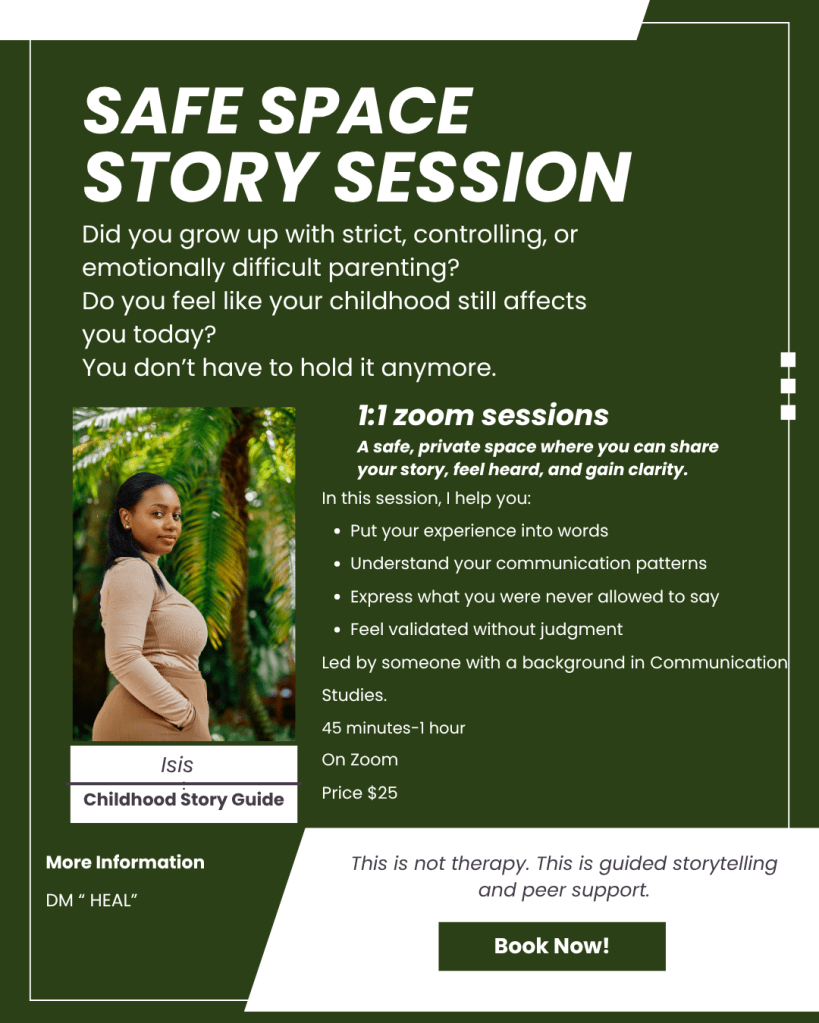
Nan Lakou

Author: Isis, writer at Nan Lakou

  • My Healing Journey Spotlighted in VoyageMIA

    I recently had the opportunity to speak with VoyageMIA about my blog and my mission to bring awareness to childhood trauma. In the interview, I discuss my healing journey, the purpose behind my work, and why creating a safe space for these conversations matters. You can read the full feature at the link below.

    https://voyagemia.com/interview/isis-on-life-lessons-legacy-highlight/

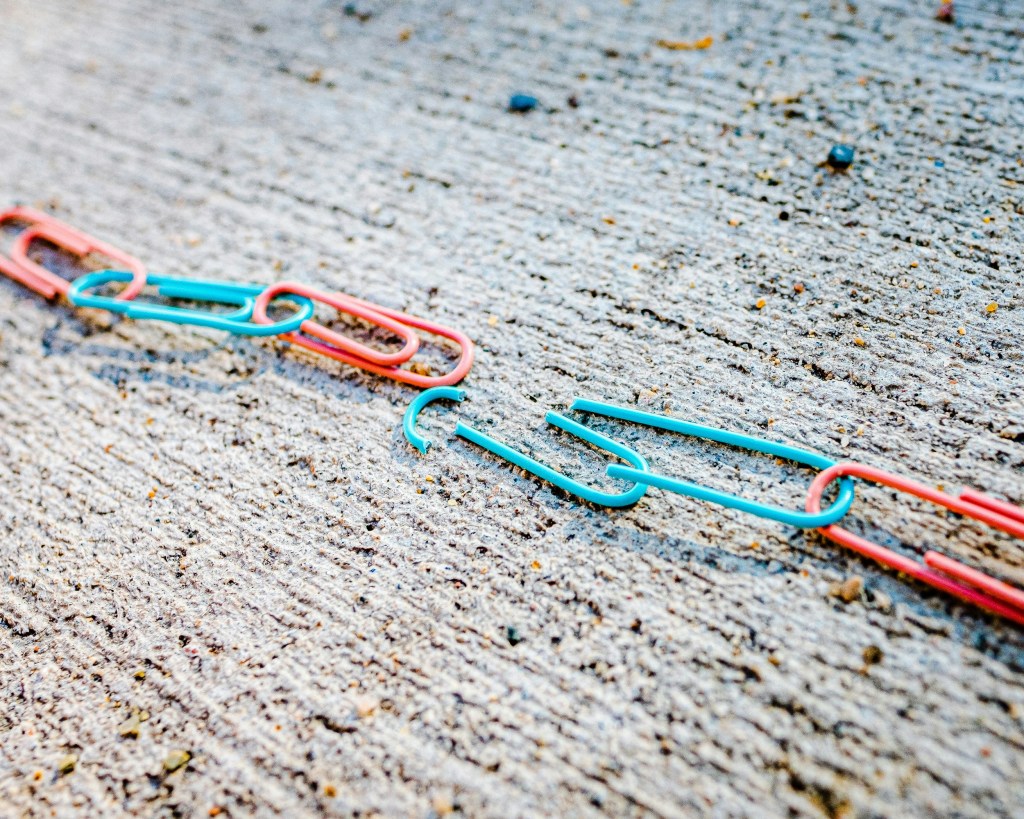
  • When Blood Isn’t Enough: Redefining Family

    Image source: Unsplash

    It’s always easier for some people to point fingers at you, to mock you, to laugh at your lowest moments. And often, the ones doing this are the very people we call “family.” 

    According to Merriam-Webster, one definition of family is “a group of persons of common ancestry.” Sounds simple, right? But if you’re reading this, you’re probably rolling your eyes like, “Please, tell me something I don’t already know.” And you’re right, we all have relatives. None of us got to choose them. It just… is. 

    Relatives shape us in countless ways. They raise us, guide us, teach us, influence us sometimes for better, sometimes for worse. We pick up their habits without even realizing it. We develop attachments, we say we love them, and when that love is healthy, it’s a beautiful thing. Having people to call “family” can be one of life’s greatest blessings. 

    But here’s the truth: not every relative is family. 

    Maybe it’s that older cousin who bullied you growing up. That aunt who never missed a chance to talk badly about you. That uncle who swore you’d never finish high school. The grandmother who withheld love because she didn’t like who your mom or dad married. Or maybe it’s that distant relative who crossed boundaries and left you carrying scars. 

    Many of us know people like this. And we were taught to love and respect them anyway. But the hard truth? They don’t deserve you. 

    They hurt you in the very moments they were supposed to protect you. And if you hold on to them, you’ll never fully heal. They’ll keep you tied to the version of yourself they’ve decided you’ll always be the “messy kid,” the “slow learner,” the “failure.” They refuse to see the healed, thriving, powerful version of you. Why? Because if they did, they’d have to look at themselves, and that’s something they won’t do. 

    So, it becomes your job to move on. Not out of hate, but out of love for yourself. For your peace. For your future. Yes, they might have done some good, but that doesn’t erase the discomfort, the anxiety, the weight you feel in your chest every time their name comes up. 

    No family is perfect. But as you heal, surround yourself with the ones who truly care, the ones whose presence brings warmth, love, and encouragement. Blood alone doesn’t make someone family. Compassion does. Kindness does. Support does. 

    A shared ancestor is not a free pass to your heart. Let the ones who uplift you in and leave the rest where they are. 

    Less mockery. More love. 

  • Your Inner Child Needs You

    Image Source: Unsplash

    A lot of us desperately want to break free from what once broke us. But the real question is: what are we doing to start living instead of just surviving? I want to share with you three ways to begin the healing you’ve been longing for. 

    As someone who has lived through childhood and relationship traumas, I know how hard it is to recover and move on. Deep down, you wish you could wake up one day, say, “F this, I’m ready to live a beautiful life,” and feel at peace. But between the pain you carry and the happiness you crave, there’s a gap you don’t know how to cross. 

    I think of healing like a weight loss journey. You know how you want your body to look, but it won’t happen overnight. You need discipline, effort, and consistency. If you fall back into old habits, the weight returns, and you start over. The difference with healing is that trauma isn’t something you chose. It was handed to you by people who were often battling their own demons. That hurts, especially when they never take responsibility. But here’s the truth: we don’t have to let them ruin our lives. 

    Healing is possible, but it takes more than reading quotes or watching motivational videos. It takes action. Here are three powerful ways to begin:  

    1. Do something kind for yourself every day. 

    Healing starts with small, intentional acts of self-love. It doesn’t have to be extravagant, no international trips required. It can be as simple as taking a long shower, wearing the clothes you’ve been “saving,” cooking yourself a healthy breakfast, or taking a quiet walk. These aren’t just routines; they’re daily reminders that you deserve care and joy. Time spent with yourself will never be wasted. 

    2. Put yourself first, unapologetically. 

    Stop saying you’ll put yourself first and start doing it. Sometimes that looks like ignoring a call you don’t have the energy for, the guilt trip, the drama, the shallow check-in. Protect your peace. Some people will never get the healed version of you, and that’s okay. As the saying goes: “Only God and fools never change.” Change is necessary. Not everyone deserves access to the healed version of you, and that’s okay. Change is part of growth, and those who love you will grow with you.  

    3. Heal your inner child. 

    This step is non-negotiable. Many of us missed out on simple joys as kids, and giving those moments back to ourselves is deeply healing.  I’m 30 years old and just learning to swim for the first time, and when I tried on my swimsuit, I was twirling around my living room like a little girl at a candy store. It felt amazing. Healing is often in the “little things.” Think back: what brought you joy as a child? Riding a bike? Playing in the rain? Painting your nails with bold colors? Hosting a sleepover with popcorn, movies, and laughter until 2 a.m. just for fun? Do it. It might feel silly at first, but those little acts of joy are powerful. They remind your inner child that you are safe now, that life can be fun, and that it’s okay to play again.  Revisit the joys you once craved. Your inner child will thank you.  

    Healing from trauma is one of the hardest and most rewarding journeys you’ll ever take. It requires courage, consistency, and self-compassion. If you want to know what life feels like beyond the pain, you must take the first step.  

    Start by doing one kind thing for yourself every day. Protect your peace by putting yourself first. Surround yourself with people who respect and support your healing. And never forget to love your inner child, they deserve joy, laughter, and freedom to play. If you do these things consistently, a year or two from now you’ll be in a much stronger place mentally, physically, and emotionally. 

     When you choose yourself, you lose nothing and open the door to everything life has to offer. 

  • Shattering the Past: Reclaiming My Life and Resilience

    Image source: Unsplash

    Growing up in a broken home can have a lasting impact on a person’s emotional and mental health. For many, it shapes their sense of self, their relationships, and their values as they navigate through life. This story is a deeply personal account shared by someone who has faced the harsh realities of childhood trauma. They have searched for identity and fought the ongoing battle to break free from the patterns of the past. In this interview, the individual opens up about their experiences, offering insights into the hardships they faced, the lessons they’ve learned, and the power of resilience and self-love.


    Q: Can you share about your early childhood? What was life like for you growing up?

    A: My parents weren’t married at first; they got married when I was around five years old. I was the ring bearer at their wedding, but shortly after, they divorced. I grew up with my mom and maternal grandmother. I never really understood what it was like to have a father figure. My uncle was the closest male figure in my life. Yet, he didn’t fulfill the role I needed. I don’t blame him for that. My dad barely visited. He came once or twice a month. It was usually because he and my mom were always arguing. Sometimes, he’d show up at my school without my mom knowing. I hated it and would hide when I saw him.

    I remember one time in second grade when he came to my school, and I started crying. He told the whole story to my teacher, which was incredibly embarrassing. I think some kids would have liked their dad to visit, but for me, it was the opposite. I never thought of him as a good person. Even as a young child, I saw how he treated my mom. He was addicted to drugs and alcohol. His abusive behavior made it impossible for me to see him as a father figure. I was actually relieved when they divorced.

    Though I felt lonely, I found some comfort in being close to one of my cousins. It was especially hard as an only child. Later in high school, my mom moved to another city, leaving me with my grandmother, who continued to raise me. Living without either of my parents was incredibly difficult, especially since my grandmother held a deep resentment towards them. She had even wanted my mom to abort me when she was pregnant. My grandfather was so upset about the pregnancy that he even threw my mom out of the house. My grandmother once told me that if I had a different father, my life would have been perfect. That really hurt me and made me feel like my existence was a burden.

    She also made me responsible for my grandfather’s death. She claimed that my grandfather’s relationship with her deteriorated because of my birth. He passed away a few months after I was born. My childhood was full of toxic family dynamics. Family gatherings often involved shaming or controlling anyone dating someone they didn’t approve of. Though they never did this to me, it affected me when they targeted my cousins. After these events, I often felt confused and troubled. I knew I didn’t want to perpetuate this cycle. I promised myself I would never treat my future children the same way.


    Q: What were some of the biggest emotional challenges you faced as a child, and how did you cope?

    A: The most challenging emotional struggle for me was the constant suicidal thoughts. I never felt like I belonged anywhere—neither in my family nor at school. There were times I even wondered if I was adopted because I felt so disconnected. Many of my friends came from families with both parents, and they would talk about their fathers with admiration. I couldn’t relate to that because my dad was never my hero. I preferred to isolate myself, especially when people visited our home. To cope, I created imaginary friends—boyfriends, parents, and companions who existed only in my mind.

    Even now, I still rely on these imaginary figures as a form of escape. While I acknowledge it’s not entirely healthy, it’s a coping mechanism that has stayed with me. Interestingly, my dad was never part of this imaginary world. I’ve learned to be okay with being alone and can go weeks without speaking to anyone. It seems strange to others, but it’s how I’ve learned to live. I’ve been in therapy before. Although I plan to return, I realize something new comes up every time I work on myself. Therapy has helped me understand my emotions better and taught me how to deal with them.


    Q: Looking back, how has your experience with a broken home shaped your relationships and values today?

    A: Romantic relationships are particularly challenging for me. Whenever I go through a breakup, I blame my father’s absence and the toxic dynamics I saw in my family. The verbal abuse from my grandmother and relatives made me very selective about who I allow into my life. I refuse to tolerate people who don’t treat me well or make me feel unworthy. I also pray I never end up in a relationship with someone who has a substance abuse problem like my father.


    Q: What would you say is the most important lesson you’ve learned about resilience and healing from your journey?

    A: The most important lesson I’ve learned is self-love. Even if no one else in the world loves me, I know that I love myself, and that is enough. Self-love has become so crucial to me that I no longer care about seeking love or validation from others. Another vital lesson is the importance of fighting for yourself and your future. No matter what challenges you face, never let go of your values. They are what make you who you are.


    Q: How is your relationship with your family today?

    A: My relationship with my grandmother has improved; she’s kinder to me now, though I never remind her of how she treated me when I was younger. With my mom, we are much closer now, but during my college years, we didn’t get along. I was angry at everyone and never truly confronted them. For a long time, I blamed her for not protecting me when I needed it most. My relationship with my dad is on and off. We can be on good terms one day and not speak the next. He struggles with certain conversations, and things always end up becoming toxic. Right now, we’re not in touch.


    Q: What message would you send to your parents?

    A: To my dad, I’d say that I forgive him. I hope he works on himself and finds a better life. To my mom, I’d express my love and appreciation. I understand that she did the best she knew how. As children, we sometimes forget that our parents aren’t perfect, and they too are learning as they go.


    Q: Can you tell us your biggest strength?

    A: My greatest strength is empathy. It allows me to connect with others on a deeper level and understand their pain. It’s made my life better, both personally and professionally. But, it can also be a weakness, as people sometimes take advantage of it.


    Q: Any final words to our readers?

    A: To anyone reading this, know that you are enough. Your worth is not defined by your achievements or possessions. You’ve had value since the moment you were conceived. Confidence and self-love are vital; your childhood traumas don’t define you. You have the power to reinvent yourself. If you’ve been taught things that don’t align with your truth, unlearn them. If you decide to have children, make sure their lives are better than your own. Break generational curses. The world needs more good people, so don’t be the reason someone else is broken.


    Thank You Note:

    We would like to extend our deepest gratitude to the individual who so courageously shared their personal journey with us. Their vulnerability is profound. Their strength in recounting the challenges they’ve faced offers powerful lessons. These include resilience, self-love, and breaking free from the cycles of the past. Thank you for trusting us with your story and for inspiring others to heal, grow, and embrace their worth. Your words have the power to uplift and encourage those who are navigating their own struggles.

  • Breaking the Cycle: An Anonymous Reflection on Overcoming Childhood Trauma

    Image source: Unsplash

    In this candid conversation, an anonymous individual opens up about his difficult childhood, navigating family dynamics, and the long road to emotional healing. The interviewee was raised without a mother figure. He shares the complexities of growing up with alternative caregivers. He talks about the emotional toll of family separations. He also addresses the challenges of adapting to a changing family structure. Through this deeply personal account, we gain insight into how past trauma can shape relationships, values, and resilience in adulthood. This interview serves as a testament to the power of strength and self-awareness in overcoming life’s toughest obstacles. We are grateful for the interviewee’s willingness to share his story, offering a rare and powerful perspective on resilience and growth.

    Q: Can you share a little bit about what it was like for you growing up?

    A: Growing up, I never had a mother figure. I was raised by my dad, great aunt, aunt, grandparents, and uncle. I didn’t experience that typical motherly love, and honestly, I don’t really know what that’s like, which is why I never sought it out. Later, my dad had a girlfriend, and he pressured me and my sister to call her “mommy.” It was fun at first, but then things changed for the worse, and she became abusive.


    Q: What were some of the biggest emotional challenges that you faced as a child, and how did you cope?

    A: A major challenge was feeling different from other kids. At school, other kids would talk about what their moms had done for them—buying things, cooking, and showing love. I would go home and ask my great aunt to make me food, but it wasn’t much more than pasta, though. I learned not to show emotions because it made me feel vulnerable. I say “I love you” to my girlfriend, niece, and nephew, but it feels awkward to say it to my parents, even though I know they love me too.


    Q: When did you realize you needed to heal?

    A: The realization came when I started living with my mom. It was a strange transition since it was the first time living with her, and I was already a teenager. I didn’t know how to behave around her. She could be bossy and controlling. For instance, if I made a joke, she would turn it into a lecture. Over time, I understood that this wasn’t just her personality, but a common mom thing.

    Healing is a journey. I still get triggered sometimes, especially when people call me a liar. For example, when I was 13, I fell and got a concussion, but when I told my dad, he accused me of lying. He said I made it up as an excuse not to do my homework. It wasn’t until two years later, when I joined the school baseball team, that I found out the concussion was real. That moment taught me the importance of understanding my own truth, but certain words still bring up that trauma.


    Q: Were there any challenges adapting to step-parents or half-siblings?

    A: I don’t really have a connection with my half-siblings, aside from the fact that we’re related by blood. I don’t know much about them, like what they enjoy or what grade they’re in. We don’t have a relationship. As for step-parents, my stepdad was easy to get along with. He taught me a lot, and we didn’t have a difficult relationship. On the other hand, my stepmother became abusive. She would hit me for no reason, even slapping me when I was around 12. We haven’t spoken in years, and I don’t have any desire to reconnect. That chapter of my life is closed.


    Q: Looking back, how do you see your parents’ separation today?

    A: Looking back, I don’t think they were compatible. It was clear that it wasn’t going to work. They are both good people individually, but together they were like a ticking time bomb.


    Q: How has your experience shaped your relationships and values today?

    A: I would never be physically violent toward my girlfriend or any woman. I also refuse to condone violence. I want to make sure that my kids, as well as my niece and nephew, have the support and guidance I didn’t have growing up. I want to uplift them, give them constructive feedback, and make sure they feel supported.


    Q: What advice would you give to someone going through a similar experience?

    A: My advice would be to stay strong—things will get better. Learn from your parents’ mistakes and don’t repeat them. Be better. Keep learning, adapting, and finding your own way. Don’t wait for your parents to give you what you need. Shape your future the way you want it. Go after your dreams, don’t wait for handouts. Push yourself.


    Q: What message would you send to your parents?

    A: I’d probably just say, “I love you,” though I’m not sure how I feel about that right now.


    Q: Can you share your biggest strengths with us?

    A: I think my biggest strength is resilience. I’ve been through a lot, and I’ve come out the other side stronger. I believe I’m unbreakable. No matter what happens, I can survive anything.


    A Journey of Resilience and Healing

    The interviewee’s journey is a powerful reminder that healing is a lifelong process, influenced by both personal choices and the strength to move beyond past pain. His story highlights the importance of self-resilience and breaking cycles of trauma, as well as the commitment to providing a better future for those he loves. With a message of perseverance, growth, and self-determination, this account offers hope for anyone facing similar struggles and emphasizes that while the past may shape us, it does not define our future. We extend our heartfelt thanks to the interviewee for sharing his story, offering a rare and inspiring perspective on resilience and healing.


  • Shaped by Struggle: A Journey of Overcoming the Past

    Image source: Unsplash


    In today’s feature, we are honored to share the story of Cindy, a young woman whose journey through the challenges of growing up in a broken home shaped her into the resilient, thoughtful individual she is today. (Note: “Cindy” is a pseudonym used to protect her identity.) Her story of overcoming hardship and personal growth is both inspiring and relatable. Despite facing immense challenges, she gained invaluable insights into the complexities of family dynamics, healing, and personal strength. With raw honesty and vulnerability, she shares her story, hoping that others who have faced similar struggles might find encouragement and strength in her words. 

    Q: Can you tell us a little bit about how it was growing up in a broken home? 

    A: My parents divorced when I was around 4 or 5, so I was really young. At the time, I didn’t fully understand the impact. As I got older, around elementary to middle school, it started to affect me more. I didn’t notice the impact until I became a pre-teen and then a teenager. I vividly remember one night when my mom had to call the police because my father was abusive. He had been physically violent toward her, and she was scared for her safety. I was little, but I could tell something serious was happening. I saw her talking to the police outside, and shortly after, they arrested him. A few months later, he came home, and we were able to see him again. 

    After their separation, life got tough. They had bought a house together, but after the divorce, my dad had to pay his own mortgage, and my mom had hers as well. My two siblings and I stayed with her, and even with child support, it was a struggle to make ends meet. There were times when we had to call the utility company, begging them to turn the electricity back on because we had fallen behind on payments. My dad seemed to take out his anger on my mom for having him arrested, but in the end, it was us, the kids, who faced the financial struggles. On the outside, we appeared to have everything, but the truth was, we were struggling. We couldn’t even afford to go on school field trips. 

    Q: How did the way you grew up shape your view of family? 

    A: I never really thought about how my childhood shaped my views on family until I started dating. Now that I have a boyfriend, I’ve been reflecting a lot on my upbringing and how it influenced my perspective. 

    Q: How did you cope with your trauma? 

    A: Talking to my older sister has been incredibly helpful. We’ve always had open conversations about what we went through, the mistakes our parents made, and how we don’t want to repeat those same patterns. I’ve thought about going to therapy, but I tend to procrastinate. Still, just talking about it with her made a big difference. 

    Q: Looking back, how did your experience with a broken home shape your relationships and values today? 

    A: My experiences definitely made me value relationships more. They taught me to be mindful of how I treat people, especially when it comes to kindness and respect. Seeing how my father treated my mother really shaped my understanding of what no one should ever have to endure—especially when there are children involved. 

    Q: What would you say is the most important lesson you learned from that situation? 

    A: I learned that healing is a continuous process. There’s no such thing as being completely healed; it’s an ongoing journey. There will always be triggers or moments that bring up past feelings. The work of healing is never fully done, but that’s okay—it’s all part of the process. 

    Q: How did your relationship with your parents change after the separation? 

    A: With my dad no longer living with us, I saw him less frequently, and in a way, that brought me closer to him. I missed him a lot, and when I did get to see him, it was a special time. I used to feel so much excitement when I saw him—it was like the return of something familiar and comforting. As for my mom, I gained a deep admiration for her strength and resilience. She worked so hard to take care of us, and that really shaped how I saw her. My dad had to rebuild his life after the separation, too, and I recognize that now. I have a good relationship with him now, and we talk regularly. He visits often. 

    Q: Looking back, is there anything you wish they have done differently? 

    A: Honestly, I’m not sure they could have done much differently, but my mom says my dad always had a temper, even before they got married. I do wish they had taken their time before rushing into marriage and having kids. If they had waited longer to really get to know each other, things could have been different, and maybe we wouldn’t have had to experience some of the struggles we did. 

    Q: If there is something you would like to tell them, what would it be? 

    A: I don’t want either of them to feel guilty about the past, but I do want them to know I appreciate what they did. My mom did her best, and I want her to know she did a great job raising us. None of us ended up in trouble, and we all turned out fine. As for my dad, he’s done a lot of work on himself, and he’s much calmer now. I think age has brought him wisdom. I would tell him to think more about the impact of his actions on others, especially his children. There were moments when it felt like he was only thinking about himself, and that caused a lot of pain. If he had considered how his behavior affected his family, things could have been different. 

    Q: Can you share with us your greatest strength? 

    A: I’d say my greatest strength is my drive. I’m someone who always finds a way to get things done, no matter what the challenge is. I’m also creative, and that helps me come up with solutions to problems when things get tough. 

    Q: Final message for our readers? 

    A: Take care of yourself, but don’t forget the people around you. Life is about balance—find it, nurture it, and watch your relationships grow stronger. 

    The Road to Healing: Finding Balance and Strength 

    We want to extend a heartfelt thank you to Cindy for sharing such a deeply personal and moving account of her life. Her openness about her past, her reflections on family, and the lessons she’s learned are both inspiring and powerful. We hope her story resonates with others who have faced similar struggles and serves as a reminder that healing is an ongoing process. Thank you, Cindy, for allowing us to share your journey. 

  • “Between the Gaps: Navigating Life Without Parents and Finding Strength

     Image source: Unsplash


    An Intimate Conversation with Marie: Navigating Family, Trauma, and the Road to Healing 

    We sat down with Marie (who wishes to stay anonymous), who bravely shared her story of growing up with a complicated family dynamic, navigating the absence of both parents, and the ongoing journey of healing. The conversation explored the deep emotions tied to her childhood, her relationship with her parents, and how she’s working through her past to shape a better future. 


    Q: Marie, thank you for joining us. Let’s start by hearing about your childhood. Can you give us a glimpse into how you grew up? 

    A: Thank you for having me. I grew up living with my paternal grandmother, and from a young age, I was made to believe that my mother didn’t want me. I was told that she “got rid of me” by sending me to live with my father. As I got older, I began to understand that things weren’t as clear-cut as I had been led to believe. When I was about six, shortly after I graduated from kindergarten, my dad moved to the United States. He bought me uniforms, books, and school supplies before he left, but once again, I was left without both of my parents. 

    I didn’t have anyone to help me with homework. My grandma couldn’t read, and my aunt, who helped me at first, eventually moved away. When my dad came back to visit, we barely spent time together. I didn’t really talk to him when he was gone—our relationship just didn’t exist in the way I had hoped it would. 

    The first time I saw my mother, I was playing outside. When they called me in to meet her, I actually hid. She felt like a stranger to me. Over the years, she would visit every few months, but I didn’t miss her. The only time I felt her absence was on Mother’s Day at school. I would attend the Mother’s Day event with either my grandma or my aunt, both of whom had become my mother figures. 

    I remember one instance when someone asked my grandma if she was my mother. I told them, “No, that’s my grandmother.” She still brings that up sometimes. I think it hurt her because she viewed me as her own daughter. For me, the words “mom” and “dad” are hard to say. I never grew up calling them that, and I never had the emotional connection to them that most kids do. 

    I used to feel emotional when I saw other children being picked up by their parents. I’d cry when I got home, feeling the emptiness. Even as an adult, I get triggered when I hear people talk about their parents being their “go-to” when things go wrong. It makes me feel like no one is there for me, and I’ve spent a lot of time trying to figure out how to fill that void. 


    Q: Do you think you’re healed from all the trauma you experienced growing up? 

    A: Honestly, I don’t think I’ll ever be fully healed. But if it’s in God’s plan for me to have my own family one day, I want to create the kind of family I wished I had. I believe that’s the only way I could heal. But I’m not there yet. Growing up without my parents has been one of the hardest things I’ve experienced, and it’s made me view parenting through a different lens. I sometimes judge people who don’t take having children seriously. To me, having a child is a huge responsibility. When parenting isn’t done right, children suffer. I know this all too well because I’ve lived it. 


    Q: How would you describe your relationship with your parents today? 

    A: We don’t really have a relationship. We talk occasionally, but there’s no real emotional connection. I’ve told my mother how I feel. Honestly, I don’t understand why she still calls me—it feels too late for us to build anything meaningful. I don’t hold a grudge against her, but I simply don’t think we can have the kind of relationship I would’ve wanted. 

    She did explain things to me later in life—how she was just 17 when she got pregnant, and my father was 20. Neither of them was in a place to care for a child. She had to drop out of school because her parents refused to support her. They saw her pregnancy as a disgrace. My mom told me how they made her life unbearable, constantly reminding her that if she had stayed in school, none of this would have happened. She even considered suicide at one point. In the end, she sent me to my father because she just couldn’t handle it anymore. 

    Although I understand the struggles she faced, I still feel hurt that it took so long for her to explain all of this to me. I had already graduated from college, started my career, and it felt like a lot of time had been lost. I try to forget the past, but it’s hard when reminders pop up—like seeing a father playing with his daughter. It breaks me every time. 

    I also struggle with anger toward my father. He wasn’t there for my mother when she needed him, and shortly after I was born, he started a new relationship. I try to put myself in my mother’s shoes, and the pain she must have felt is overwhelming. I vowed that I would never be with a man like my father. He doesn’t care—he never did. To this day, he and my mother have no relationship. 

    When my father and I are in the same space at a family gathering, I greet him like I would anyone else. There’s no sentiment behind it. He’s not someone I turn to when I need help—he wasn’t there when I needed him most. 


    Q: Do you have siblings? 

    A: Yes, I have siblings on my father’s side, but he never introduced me to them. I took it upon myself to reach out. I want them to know they have someone they can rely on. I don’t want them to go through the same experience I had with my dad. 


    Q: What message would you send to your parents? 

    A:  Laughing lightly… Well, I’d probably ask them why they didn’t stay together to raise me. I thank God that I turned out okay, but I know things could have easily gone south. I wonder why they didn’t make it work, why they couldn’t be there for me. I believe I would have been further along in life if they had been more present. In many ways, I feel like I raised myself.  


    Q: Before we finish, can you share with us what you consider your greatest strengths? 

    A: I’d say my biggest strength is being selfless. I’m always there for others, sometimes putting their needs before my own. It feels like my mission in life to help people, especially when it comes to important matters. I also love to joke around and laugh. I find joy in spreading positivity wherever I can. 


    Q: Any final words for our readers? 

    A: If you’re thinking about having children, don’t do it unless you’re ready. It’s not just about providing financially. Your presence is everything. If you already have kids, make sure you spend quality time with them. Don’t treat them like they’re an obligation. Take them to places that let them experience joy—fairs, zoos, camps. Don’t remind them constantly about everything you’ve done for them. Parenting is a responsibility, not a favor. Be there for them, not just in the basic, everyday tasks but emotionally, mentally, and physically. 


    “A Heartfelt Thank You”

    We’d like to extend a heartfelt thank you to Marie for sharing her powerful story with us. Her openness and vulnerability in discussing the challenges she faced growing up are truly inspiring. It takes incredible strength to reflect on the past, confront painful memories, and continue striving for healing and growth. Marie’s journey reminds us of the importance of family, the impact of emotional support, and the resilience it takes to navigate life’s hardest moments. We’re grateful for her honesty and wish her all the best as she continues her path toward healing and building the future she deserves. Thank you, Marie for allowing us to be part of your story, and for sharing it on your terms, with the privacy you requested.