Nan Lakou

Category: Growth & Reflection

Healing, self-growth, reflections.

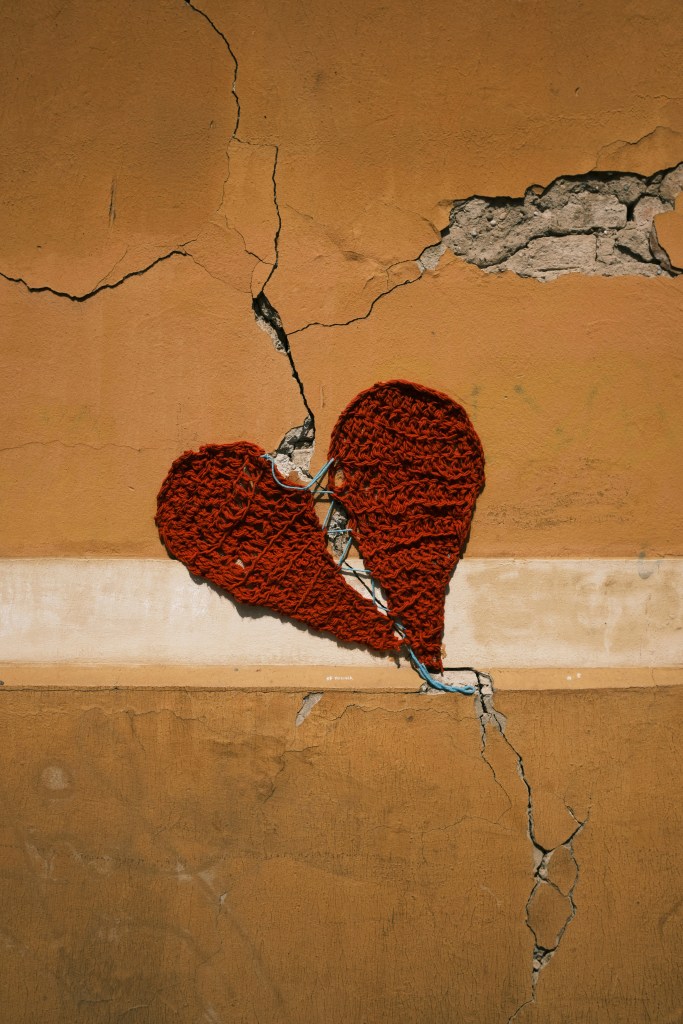
  • You Are Not Your Trauma: A Journey Back to Yourself

    Image Source: Unsplash.com

    Healing from childhood trauma is not a linear journey, and it is certainly not an easy one. But one of the most powerful and freeing steps you can take is learning to talk about it.

    Speaking your truth is not about reliving pain for the sake of it, it is about releasing what was never meant to stay trapped inside you. There is something deeply liberating about putting words to experiences you once had to silence just to survive.

    Yes, it can be emotional. Sometimes even overwhelming. But alongside that emotion comes relief. It feels like finally exhaling after holding your breath for years. Talking about your trauma allows you to loosen its grip on your mind and body, little by little.

    And while you speak your truth, something important becomes clear: not everyone deserves access to your story.

    People who shame you for your experiences; especially the ones that shaped your identity, do not deserve to have a place in your life. Your story is not something to be minimized or dismissed. It is part of your history, your resilience, and your growth.

    In many ways, talking about trauma feels like grieving. You grieve what you went through, but also the version of yourself who had to endure it alone. And in that grief, something new is born: a more aware, more grounded, and more compassionate version of you.

    Healing is never just one thing. It is a combination of many small, intentional choices that slowly bring you back to yourself. For me, healing has looked like journaling my thoughts, meditating in silence, drinking tea as a grounding ritual, going on walks to clear my mind, and simply “yapping” things out when I need to release emotions.

    It has also meant reconnecting with my inner child; doing things that bring joy without guilt, without explanation, without judgment.

    These may seem small, but they matter. They are part of rebuilding a relationship with yourself.

    You should never give up on yourself. You are worthy of peace, stability, and emotional safety. It is absolutely possible to manage anxiety, stress, and even panic attacks and still move toward a better mental, emotional, and physical state.

    Our lives do not revolve around our trauma, even if it has shaped parts of us. Trauma may influence our story, but it does not define our identity.

    We are so much more than what we have survived.

    And healing is about slowly reclaiming that truth. It is about taking what once hurt you and turning it into something that helps you grow, evolve, and come home to yourself.

    You are allowed to heal.
    You are allowed to speak.
    You are allowed to become someone new.

    And most importantly; you are allowed to be free.
  • When Blood Isn’t Enough: Redefining Family

    Image source: Unsplash

    It’s always easier for some people to point fingers at you, to mock you, to laugh at your lowest moments. And often, the ones doing this are the very people we call “family.” 

    According to Merriam-Webster, one definition of family is “a group of persons of common ancestry.” Sounds simple, right? But if you’re reading this, you’re probably rolling your eyes like, “Please, tell me something I don’t already know.” And you’re right, we all have relatives. None of us got to choose them. It just… is. 

    Relatives shape us in countless ways. They raise us, guide us, teach us, influence us sometimes for better, sometimes for worse. We pick up their habits without even realizing it. We develop attachments, we say we love them, and when that love is healthy, it’s a beautiful thing. Having people to call “family” can be one of life’s greatest blessings. 

    But here’s the truth: not every relative is family. 

    Maybe it’s that older cousin who bullied you growing up. That aunt who never missed a chance to talk badly about you. That uncle who swore you’d never finish high school. The grandmother who withheld love because she didn’t like who your mom or dad married. Or maybe it’s that distant relative who crossed boundaries and left you carrying scars. 

    Many of us know people like this. And we were taught to love and respect them anyway. But the hard truth? They don’t deserve you. 

    They hurt you in the very moments they were supposed to protect you. And if you hold on to them, you’ll never fully heal. They’ll keep you tied to the version of yourself they’ve decided you’ll always be the “messy kid,” the “slow learner,” the “failure.” They refuse to see the healed, thriving, powerful version of you. Why? Because if they did, they’d have to look at themselves, and that’s something they won’t do. 

    So, it becomes your job to move on. Not out of hate, but out of love for yourself. For your peace. For your future. Yes, they might have done some good, but that doesn’t erase the discomfort, the anxiety, the weight you feel in your chest every time their name comes up. 

    No family is perfect. But as you heal, surround yourself with the ones who truly care, the ones whose presence brings warmth, love, and encouragement. Blood alone doesn’t make someone family. Compassion does. Kindness does. Support does. 

    A shared ancestor is not a free pass to your heart. Let the ones who uplift you in and leave the rest where they are. 

    Less mockery. More love. 

  • Your Inner Child Needs You

    Image Source: Unsplash

    A lot of us desperately want to break free from what once broke us. But the real question is: what are we doing to start living instead of just surviving? I want to share with you three ways to begin the healing you’ve been longing for. 

    As someone who has lived through childhood and relationship traumas, I know how hard it is to recover and move on. Deep down, you wish you could wake up one day, say, “F this, I’m ready to live a beautiful life,” and feel at peace. But between the pain you carry and the happiness you crave, there’s a gap you don’t know how to cross. 

    I think of healing like a weight loss journey. You know how you want your body to look, but it won’t happen overnight. You need discipline, effort, and consistency. If you fall back into old habits, the weight returns, and you start over. The difference with healing is that trauma isn’t something you chose. It was handed to you by people who were often battling their own demons. That hurts, especially when they never take responsibility. But here’s the truth: we don’t have to let them ruin our lives. 

    Healing is possible, but it takes more than reading quotes or watching motivational videos. It takes action. Here are three powerful ways to begin:  

    1. Do something kind for yourself every day. 

    Healing starts with small, intentional acts of self-love. It doesn’t have to be extravagant, no international trips required. It can be as simple as taking a long shower, wearing the clothes you’ve been “saving,” cooking yourself a healthy breakfast, or taking a quiet walk. These aren’t just routines; they’re daily reminders that you deserve care and joy. Time spent with yourself will never be wasted. 

    2. Put yourself first, unapologetically. 

    Stop saying you’ll put yourself first and start doing it. Sometimes that looks like ignoring a call you don’t have the energy for, the guilt trip, the drama, the shallow check-in. Protect your peace. Some people will never get the healed version of you, and that’s okay. As the saying goes: “Only God and fools never change.” Change is necessary. Not everyone deserves access to the healed version of you, and that’s okay. Change is part of growth, and those who love you will grow with you.  

    3. Heal your inner child. 

    This step is non-negotiable. Many of us missed out on simple joys as kids, and giving those moments back to ourselves is deeply healing.  I’m 30 years old and just learning to swim for the first time, and when I tried on my swimsuit, I was twirling around my living room like a little girl at a candy store. It felt amazing. Healing is often in the “little things.” Think back: what brought you joy as a child? Riding a bike? Playing in the rain? Painting your nails with bold colors? Hosting a sleepover with popcorn, movies, and laughter until 2 a.m. just for fun? Do it. It might feel silly at first, but those little acts of joy are powerful. They remind your inner child that you are safe now, that life can be fun, and that it’s okay to play again.  Revisit the joys you once craved. Your inner child will thank you.  

    Healing from trauma is one of the hardest and most rewarding journeys you’ll ever take. It requires courage, consistency, and self-compassion. If you want to know what life feels like beyond the pain, you must take the first step.  

    Start by doing one kind thing for yourself every day. Protect your peace by putting yourself first. Surround yourself with people who respect and support your healing. And never forget to love your inner child, they deserve joy, laughter, and freedom to play. If you do these things consistently, a year or two from now you’ll be in a much stronger place mentally, physically, and emotionally. 

     When you choose yourself, you lose nothing and open the door to everything life has to offer.